
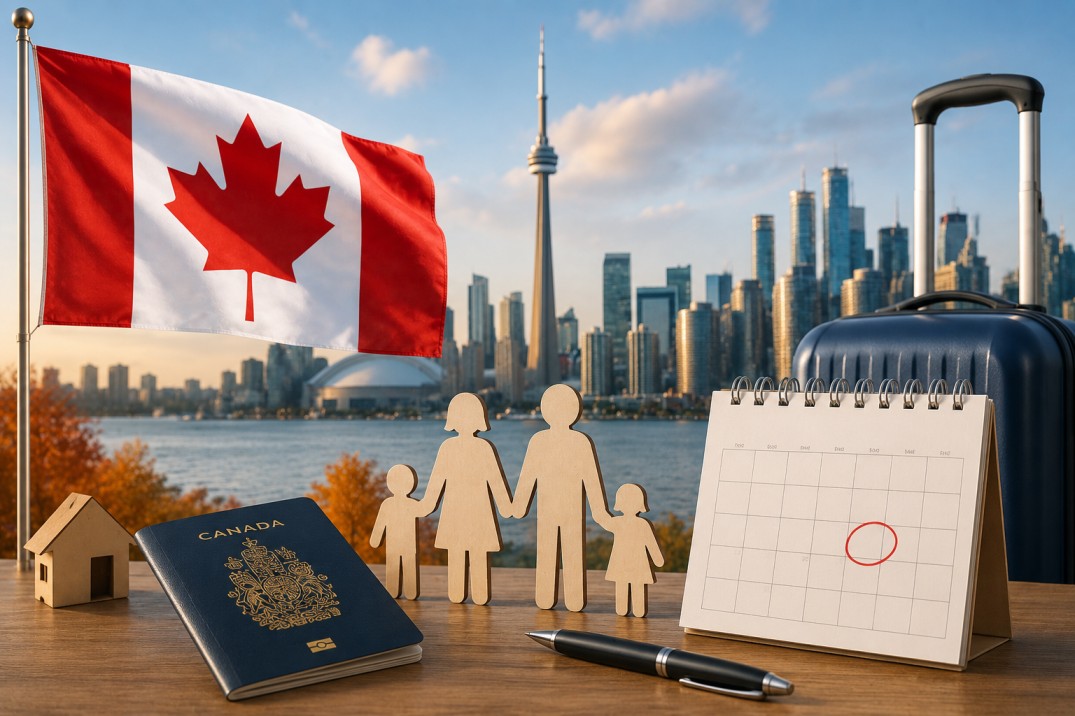
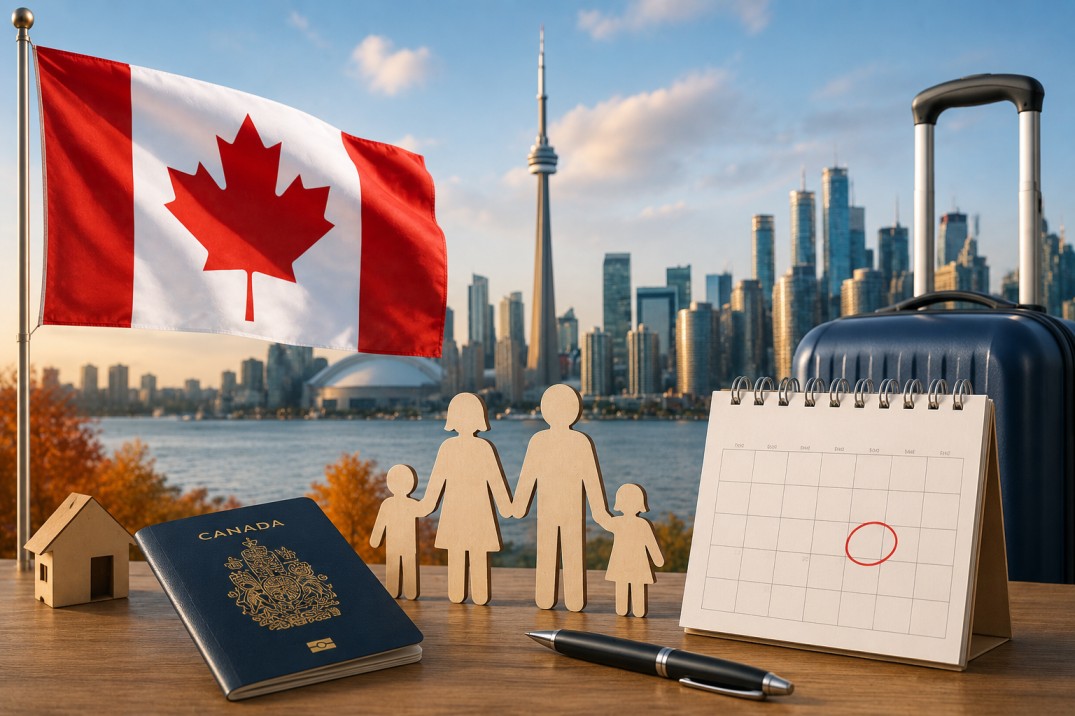
Canadian Permanent Residency (PR) offers foreign nationals the opportunity to live, work, and study in Canada. They also enjoy many of the same rights and privileges as that of the Canadian citizens. You must understand that permanent residence status comes with certain legal responsibilities and conditions. Learn more about permanent residence status and Canada PR residency obligation by reading further.
A Canadian Permanent Resident (PR) Card is an official ID and is issued by IRCC. The PR card confirms and proves your Canada PR status. PRs don't have the same rights as citizens and cannot vote, run for elected office, or hold certain government jobs.
A PR card is the de facto government identification that proves your Canada permanent resident status. Confirmation of Permanent Residence (COPR) or electronic COPR (e-COPR) and other official documents can also prove PR status. You must note that a COPR/eCOPR cannot replace a PR card for travel. A PR card (or PRTD) is generally required to return to Canada on commercial transport.
Canadian permanent residents have the right to live, work, and study anywhere in Canada. They can use most public benefits, including healthcare (eligibility and coverage depend on the province or territory), and once they are eligible, they can also apply for Canadian citizenship and enjoy the rights and protection of the Canadian Charter of Rights and Freedoms. Further, they are required to pay applicable taxes and follow the laws at the federal, provincial, and municipal levels.
Permanent residents do not have the right to vote in federal or provincial elections. They cannot also hold certain government positions that require high-level security clearance.
You can maintain Canada PR status by spending at least 730 days in Canada within a five-year period. These days do not need to be continuous, and certain time spent abroad may also count toward the residency obligation. Further, you must keep track of your travel history using personal records or CBSA travel history and check your eligibility when renewing your PR card.
The expiry of your PR card does not mean that you will lose your permanent resident status in Canada. PR status can be lost if an adjudicator after an inquiry or PRTD appeal makes the official decision that you no longer qualify, you voluntarily give it up, a removal order comes into effect, or if you become a Canadian citizen.
Permanent residents in Canada can choose to give up their PR status for several reasons. They may want to accept a diplomatic or official position with a foreign government, no longer plan to live in Canada permanently, know that Canada residency obligation have not been met, or want to avoid a PR status assessment and apply for a temporary resident visa or eTA instead or want to prevent delays or complications when entering Canada.
Note: To become a Canadian citizen, you need not give up PR status. Also you generally do not need to give up Canadian PR to obtain citizenship in another country (depends on that country's laws).
Once Canada permanent resident status is renounced and approved by an immigration officer, the decision is final and cannot be appealed to the Immigration Appeal Division (IAD). The person will no longer be a permanent resident and cannot apply or proceed with any pending citizenship application. Your family members who have permanent resident status will not lose it but if active family sponsorship applications have been submitted, it may be paused and refused if your renunciation is approved with no refund of the processing fees.
To give up PR status in Canada, an applicant must be a current permanent resident in Canada and a citizen or a permanent resident of another country. Applicants who are under the age of 18 must get a written consent from a legal guardian.
To apply for PR renunciation, the applicant must submit the form (IMM 5782) with all the necessary supporting documents following the current IRCC application instructions to the designated IRCC case processing centre as instructed in the application guide.
A permanent resident may apply for Canadian citizenship if
Applicants who are eligible permanent residents have to first submit an application to IRCC’s citizenship portal, or their office respectively and pay the applicable fees. Once the applicant get approval of the application, the applicant who is above 18 years of age must attend a citizenship test and interview either online or in person. Upon passing, the applicant has to take the Oath of Citizenship ceremony (online or in person) to officially become a Canadian citizen.
You have to meet the PR obligations to maintain your PR status and to avoid complications with PR card renewals, travel, or applying for future citizenship. It is necessary to stay informed, track your time in Canada, and plan your travels outside of Canada carefully so as to protect your Canadian status.
If you are not sure that you have met your Canada PR requirements, need assistance with a PR card renewal, is applying for a Permanent Resident Travel Document (PRTD), or is facing concerns about your PR status, ImmiLaw, a Canadian immigration consultant, is here to help.
Read to know: Canada Immigration for Healthcare Professionals: Comprehensive Guide
Yes, you can, but you should ensure that you meet the required residency rule of 730 days in Canada.
To maintain the Canada permanent resident status, Canadian permanent residents must meet the 730-day residency obligation within every five-year period.
The 730-day period does not need to be continuous; it can be accumulated over five years.
In certain circumstances time spent outside Canada is counted towards the 730 days; for instance, if you are accompanying a Canadian citizen spouse or working abroad for an eligible Canadian employer.
PR status does not expire however, if you no longer meet the requirements of immigration you may lose the status.
Canadian permanent residents can live, work, and study anywhere in Canada. They can access most social benefits and also, when eligible, apply for citizenship.
















65be04cbad701.webp)














 CANADA
  +1 (647) 767-0672
 INDIA
INDIA