


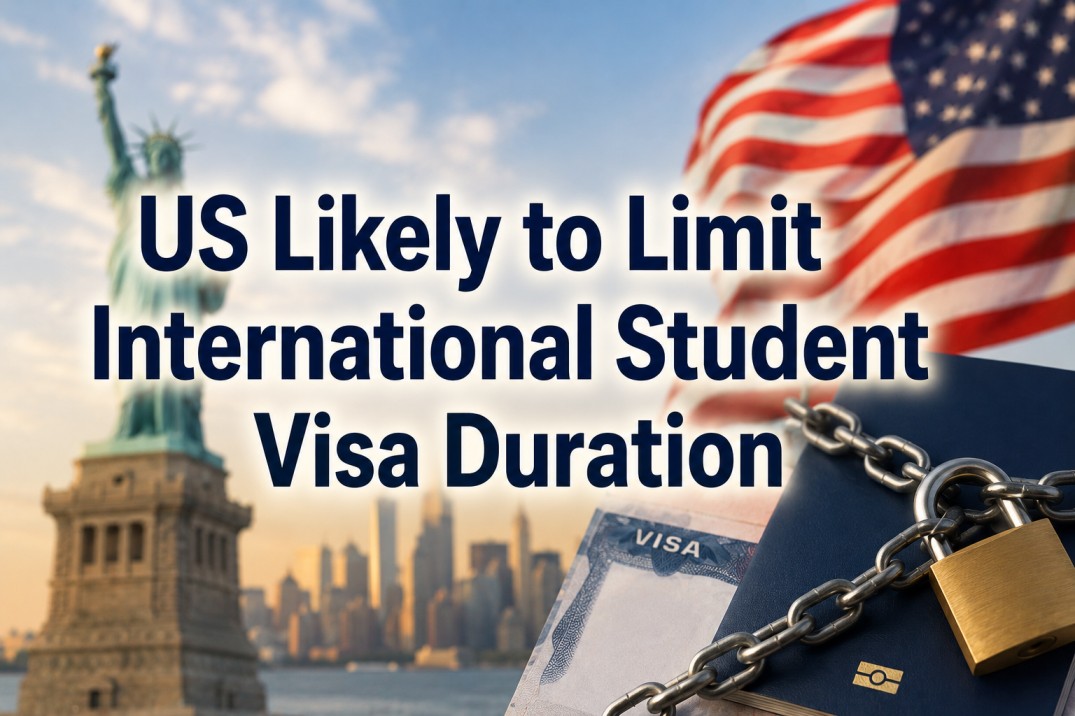
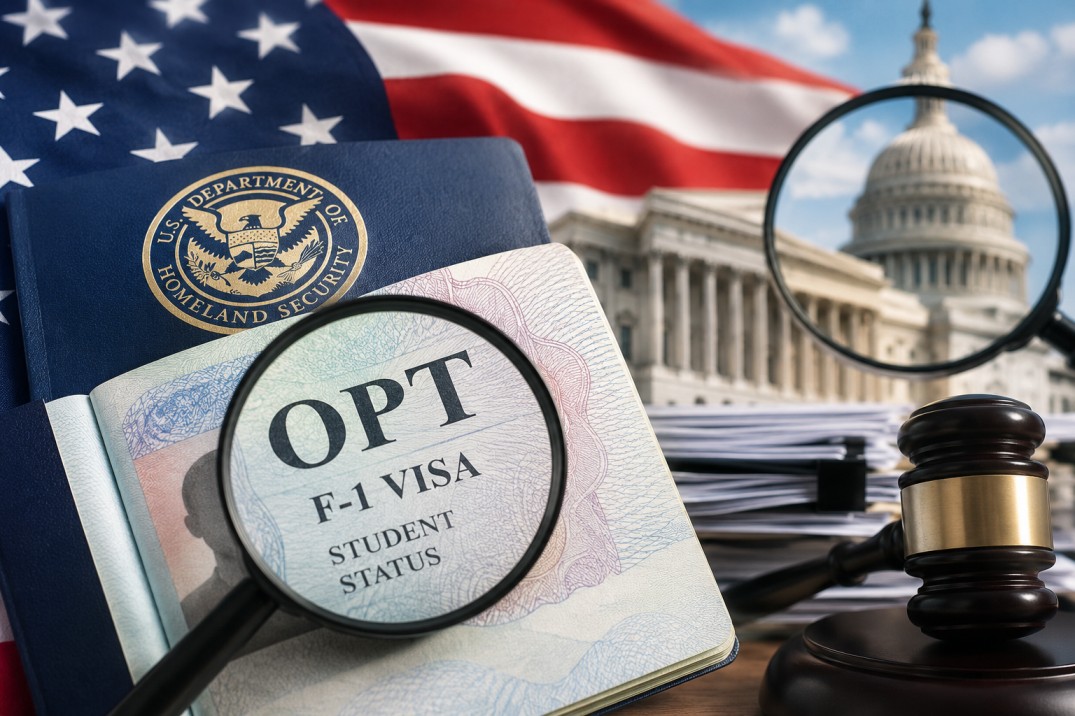
The Optional Practical Training (OPT) of the United States is the post-study work scheme that allows international graduates to work in the US after completing their studies (for up to 12 months, with an extra 24 months STEM OPT extension). In recent times, the OPT program for international students has become a topic of political discussion and serious scrutiny by the US government. What was once a routine extension of studies began to be a source of anxiety for international students.
OPT was not revoked but came under intense scrutiny
In 2025, around 21.5% of all international students in the US were participating in the OPT program for international students. It clearly shows how international students depended on OPT with regard to their career plans. While the authorities have not revoked OPT, the approvals have become stricter with more pressure on regulatory compliance. The authorities tightened documentation requirements, job relevance reviews, and employer legitimacy assessments.
Enforcement against fraud got intensified
1,100 OPT work permits were either revoked or refused renewal by the United States Citizenship and Immigration Services (USCIS) as part of tracking down fraud jobs and fake employers who certified placements for students. Operation OPTical Illusion was launched as part of anti-fraud efforts. It led to the arrest of 15 international students who reportedly worked with non-existent companies. Advanced data analytics and AI, along with site visits, were employed by the authorities to identify suspicious employment arrangements.
Unknowingly, numerous international students engaged with fraudulent consultancies that purported to be in compliance with OPT. The students paid hundreds or thousands of dollars as placement fees and ended up with unpaid jobs and in legal jeopardy.
Political pressure escalated
Officials in the US government criticized OPT and called for ending the program. They highlighted the recent misuse of the program. Legislators introduced proposals like the OPT Fair Tax Act to remove tax exemption benefits for OPT workers.
Critics stated that OPT has resulted in loss of jobs for Americans, despite research from the Peterson Institute for International Economics finding that stopping high-skilled immigration actually reduces job opportunities for U.S. workers.
Politics overshadows economic reality.
The political debate largely ignored the impact on the US economy. International graduates contributed billions to the US economy, which is more than $42.9 billion in 2024–2025, and supported more than 355,000 jobs. Further, foreign graduates contribute greatly to innovation and patenting in the US, and they also help in filling in the critical skill shortages in the STEM fields. About one-third of OPT recipients also transitioned to H-1B skilled work visas.
International students reconsidering their plans to study in the US
Many international students are no longer certain of studying in the US. Students take into account practical training and US work visa for graduates while choosing their destination of study. The uncertainty regarding the OPT is already influencing their future decisions on enrolment, resulting in a loss of market share in international education for the US.
American universities began to guide students through the changes, and students were advised to work at least 20 hours per week in legitimate full-time roles, since jobs under 20 hours counted towards the 90-day unemployment limit, and exceeding it could violate visa status automatically.
The OPT continues to remain active, while its approval has become conditional, and compliance is stricter. USCIS denies applications with unclear job descriptions, conducts more site visits, and scrutinizes STEM degrees and employer compliance. Furthermore, the Department of Homeland Security has set up a Fraud Hub to train officials of the schools on detecting fraud. The ongoing debates and stringent regulations mean the uncertainty regarding OPT still remains.
Stay updated about the Optional Practical Training (OPT). Talk with ImmiLaw Global, study abroad lawyers and consultants, to know more about the significant changes impacting US education.
Read to know: Canada’s Immigration Shift: 2026-2028 Policy Updates for Students & Temporary Workers
















66ab3e5874e6b.webp)












































































































6ad204255d95a.jpeg)






 CANADA
  +1 (647) 767-0672
 INDIA
INDIA